
We have passed a significant milestone with our three-stage filtration system, which we designed and have been testing on for a long time!!
Developed by our research group, this system consists of three main stages: VOC filtration, particulate matter filtration, and bacterial filtration.
For the first stage, VOC filtration, reliability and stability tests of the system took approximately eight months. Following this long validation process, we have successfully completed our first VOC filtration study today.
Using unique polymers designed and synthesized by our group, we achieved impressive results in benzene filtration under dynamic adsorption conditions. The findings are currently being prepared for publication.
Reliability and stability tests for particulate matter filtration have reached their final stage. Our work on bacterial filtration is ongoing.
This process represents not only the development of a new filtration system but also the construction of a robust research pipeline that combines unique polymer design with realistic application conditions.
We will share more technical details soon!
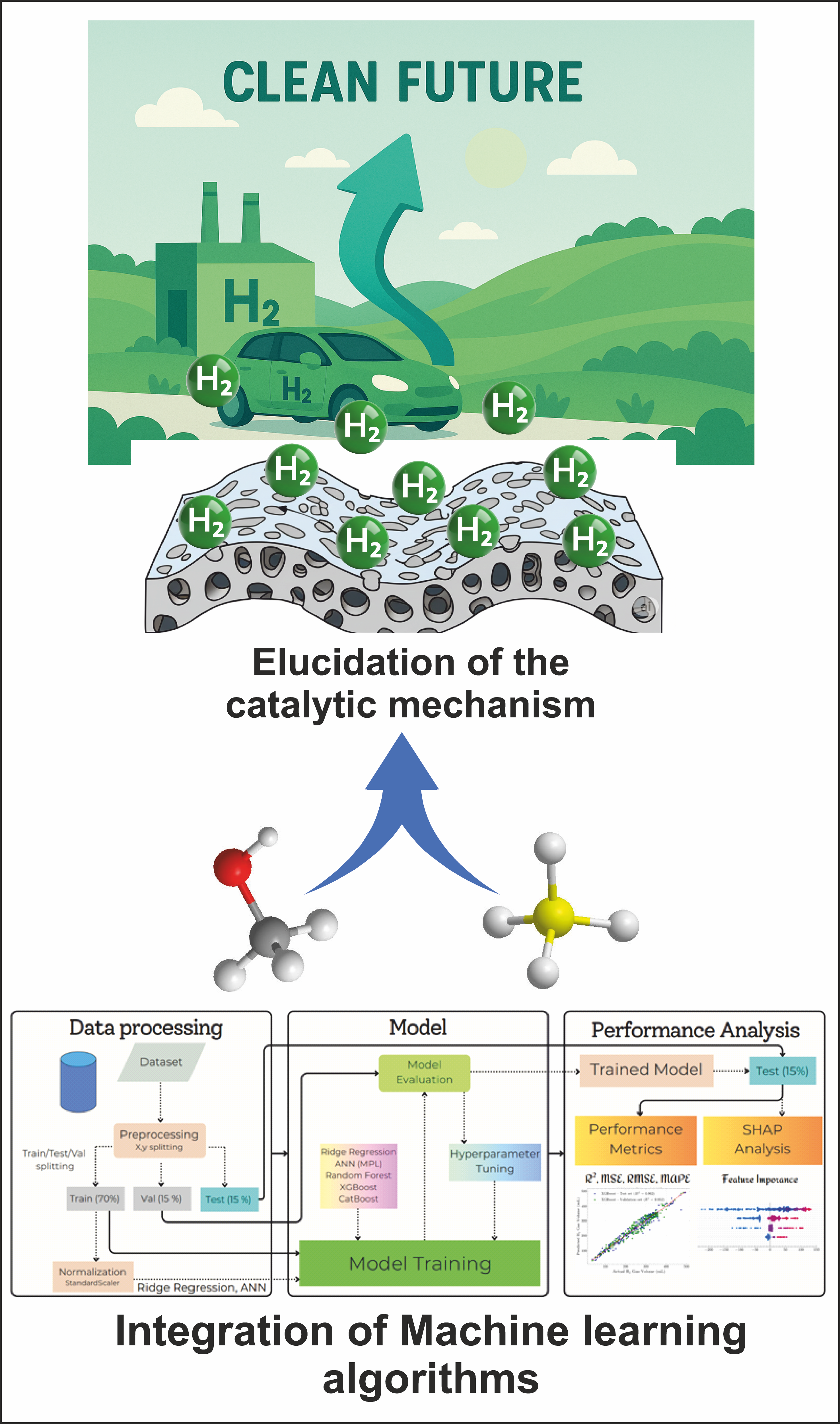
At Future Polymers and Materials Research Group, we believe that the development of advanced functional materials requires more than synthesis, characterization, and performance evaluation alone.
In our recent studies on hydrogen production and related material systems, we have increasingly adopted an integrated research framework that combines statistical analysis, machine learning methods, and density functional theory (DFT) calculations with experimental investigations.
This approach allows us to move beyond simple performance reporting. Statistical analysis helps identify significant variables and strengthens the reliability of experimental interpretations. Machine learning enables the modeling of complex relationships, reveals hidden patterns in experimental data, and supports the prediction of promising material designs. DFT calculations provide molecular-level insight into interactions, electronic structure, and possible mechanistic pathways.
By combining these methods, we aim not only to evaluate material performance, but also to understand why that performance emerges and how more effective systems can be rationally designed.
We believe that this integrated perspective is becoming increasingly important not only for hydrogen production studies, but also for catalysis, adsorption, and the broader design of next-generation functional materials.
As FPM, we will continue to expand our research activities through the combination of experimental rigor, data-driven modeling, and molecular-level understanding.

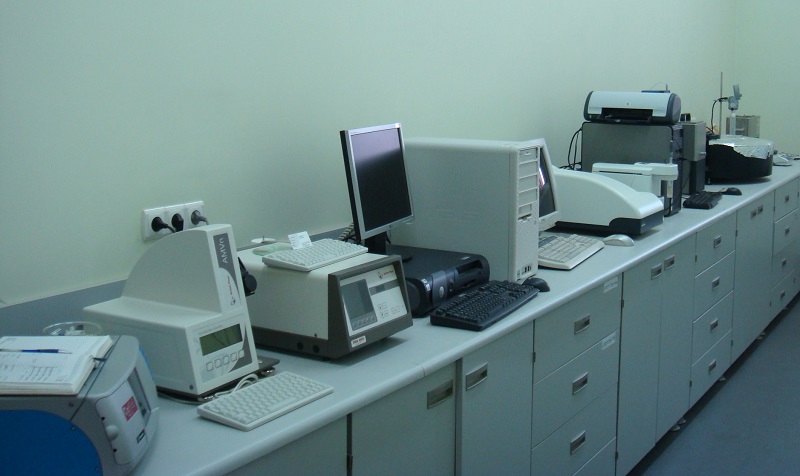
The article titled "Fluoranthene-based metal-free hyper-crosslinked polymers for NaBH4 methanolysis: mechanistic role of surface-charge effects" authored by Kutalmış Gökkuş and valuable co-authors (Ayşegül Özbal, Mahmut Gür, S. Alper Akalın, U. Merve Şenturan, Vural Bütün) from the FPM RESEARCH GROUP, which conducts its research within the POLYMER RESEARCH LABORATORY, has been published in the prestigious scientific journal Fuel (2026, Vol. 421).
This paper, focusing on technologies for the production of hydrogen, a clean and high-energy-density fuel, successfully synthesizes metal-free, fluorantene-based hypercross-linked polymers (HCPs) for the methylolysis of sodium borohydride (NaBH4). Extensive structural and electrostatic analyses (Zeta potential) have revealed, for the first time in a mechanistic dimension how polymer architecture and interfacial electrostatics, rather than conventional structural properties, govern hydride activation.
We congratulate our laboratory members and the entire project team for this innovative work and wish them continued success for their valuable contribution to the scientific literature.
To access the full article, [Click here].
FPM was founded in September 2025 and we are now on our website.
Visitor Counter
 69.2%
Turkey
69.2%
Turkey
 11.5%
United States of America
11.5%
United States of America
 2.9%
Germany
2.9%
Germany
Total:
16
Countries